
The FinTech Pitch Deck Expert Behind $62M+ in Raises
A strong product isn’t enough in FinTech. Investors also want to know how you’ll operate in a regulated market — investors in neobanking, payments, and lending need both before they write a check. I build decks that satisfy FinTech investors and the regulators standing behind them.
Hire Pitch Deck Expert



FinTech Pitch Deck Expert The Numbers Behind the Decks
FinTech Startups Across 6 Sub-Verticals
.avif)
.avif)
.avif)
.avif)
.avif)
.avif)
.avif)
.avif)
.avif)
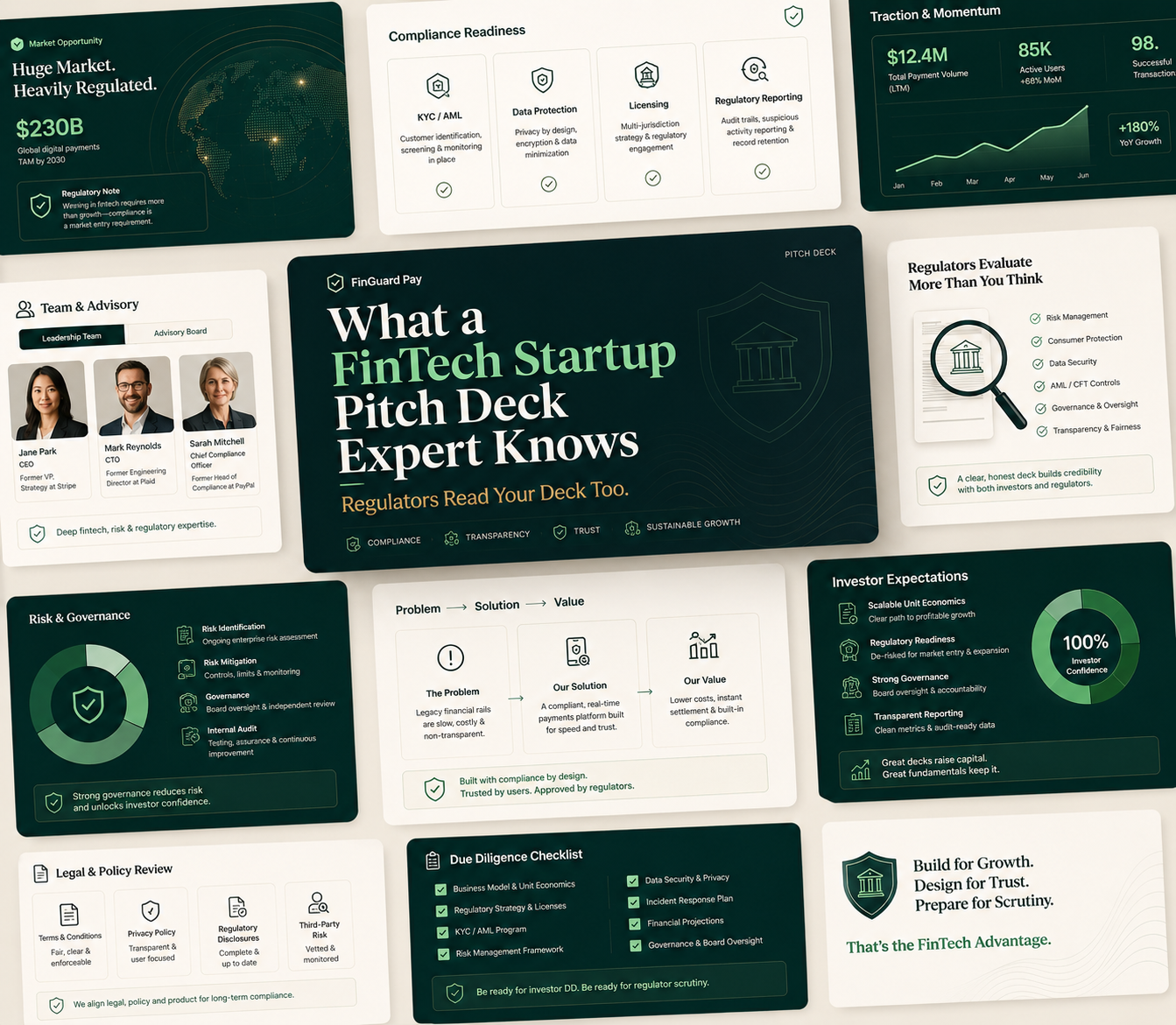
What a FinTech Startup Pitch Deck Expert Knows Regulators Read Your Deck Too
FinTech decks fail when they treat compliance as an afterthought. As a FinTech pitch deck expert, I know investors won't invest in a startup that doesn't consider regulatory dynamics such as FCA, OCC, MAS, FinCEN, PSD2 or state licensing. I make difficult licensing and AML/KYC processes trust signals that clinch institutional term sheets
Your FinTech product works. Your deck must prove it is also compliant.
What a FinTech Investor Pitch Deck Expert Builds That Generic Designers Miss
I built a compliance narrative that demonstrates licensing awareness across FCA, OCC, MAS, FinCEN, and PSD2 environments turning what most founders see as a liability into a competitive advantage that institutional investors recognize immediately
The economics of FinTech is all about interchange fees, net interest margins, take rates, float revenues, subscription layers, and premium tiers. I develop slides which deconstruct these structures so that investors can model the unit economics prior to investing in them.
No agency rotation. No designer who confuses interchange with the merchant discount rate. I personally handle strategy, narrative, compliance framing, and every revision until your FinTech startup's deck passes the investor diligence test.

FinTech Pitch Deck Design Services Built for Regulated Markets
FinTech Investor Pitch Deck Design + Compliance Narrative:
A FinTech pitch deck filled with visualizations of the revenue model, regulatory positioning, market sizing by sub-vertical, and competitive moat framing to help investors make their decision. Every slide answers the questions FinTech VCs ask before they ask them
Free FinTech Deck ConsultationFinTech Pitch Deck Design + Full Copywriting:
I translate complex FinTech products payment rails, lending infrastructure, insurance distribution into a clear business story that resonates with both FinTech-specialist and generalist investors.
Regulatory Narrative ReviewFinTech Pitch Deck Audit + Compliance Redesign:
Your deck is getting a meeting, but not closing the funding. I audit gaps in your narrative, remedy compliance gaps, restore clarity in revenue modelling, and rebuild the narrative flow as your FinTech pitch deck consultant.
40-Minute Deck AuditMy FinTech Pitch Deck Expert Process From Regulated Brief to Funded
Decks Built by the Best FinTech Pitch Deck Experts Capital Raised, Compliance Cleared
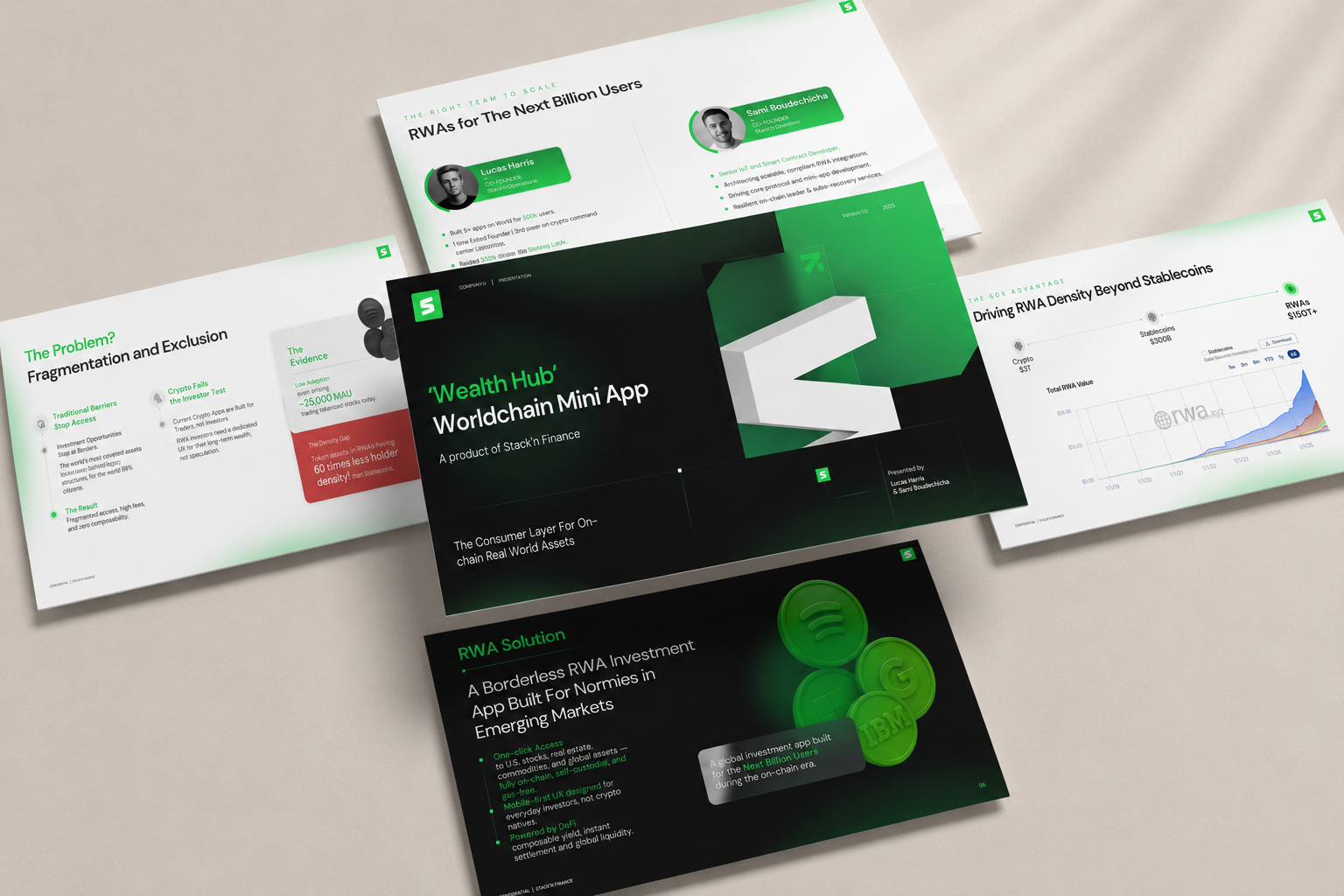
Capital raised and regulatory confidence built by FinTech founders using pitch decks I designed.
YouTube: FinTech pitch deck walkthrough

Neobank
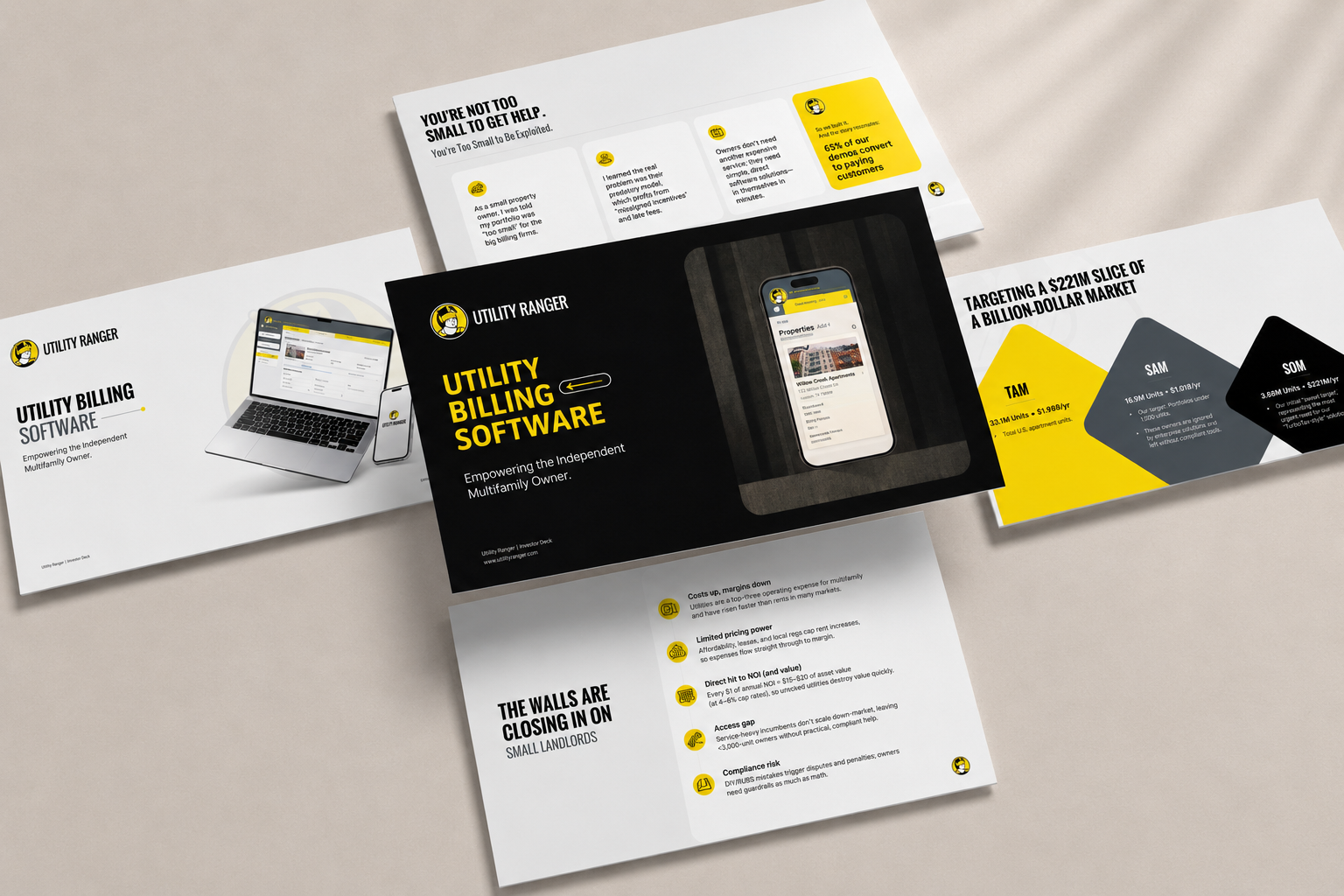
Payments Processor
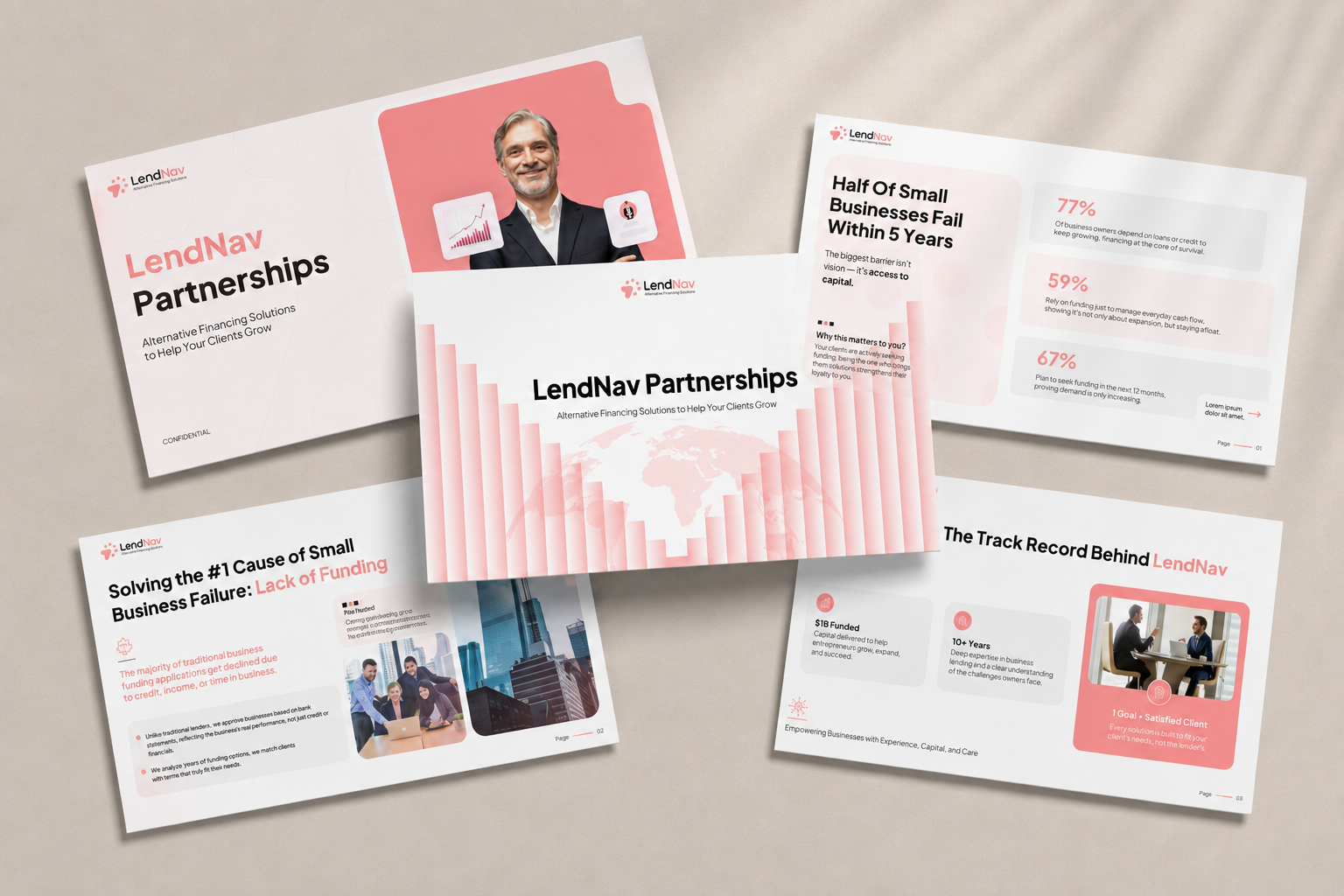
Lending Platform

Insurtech
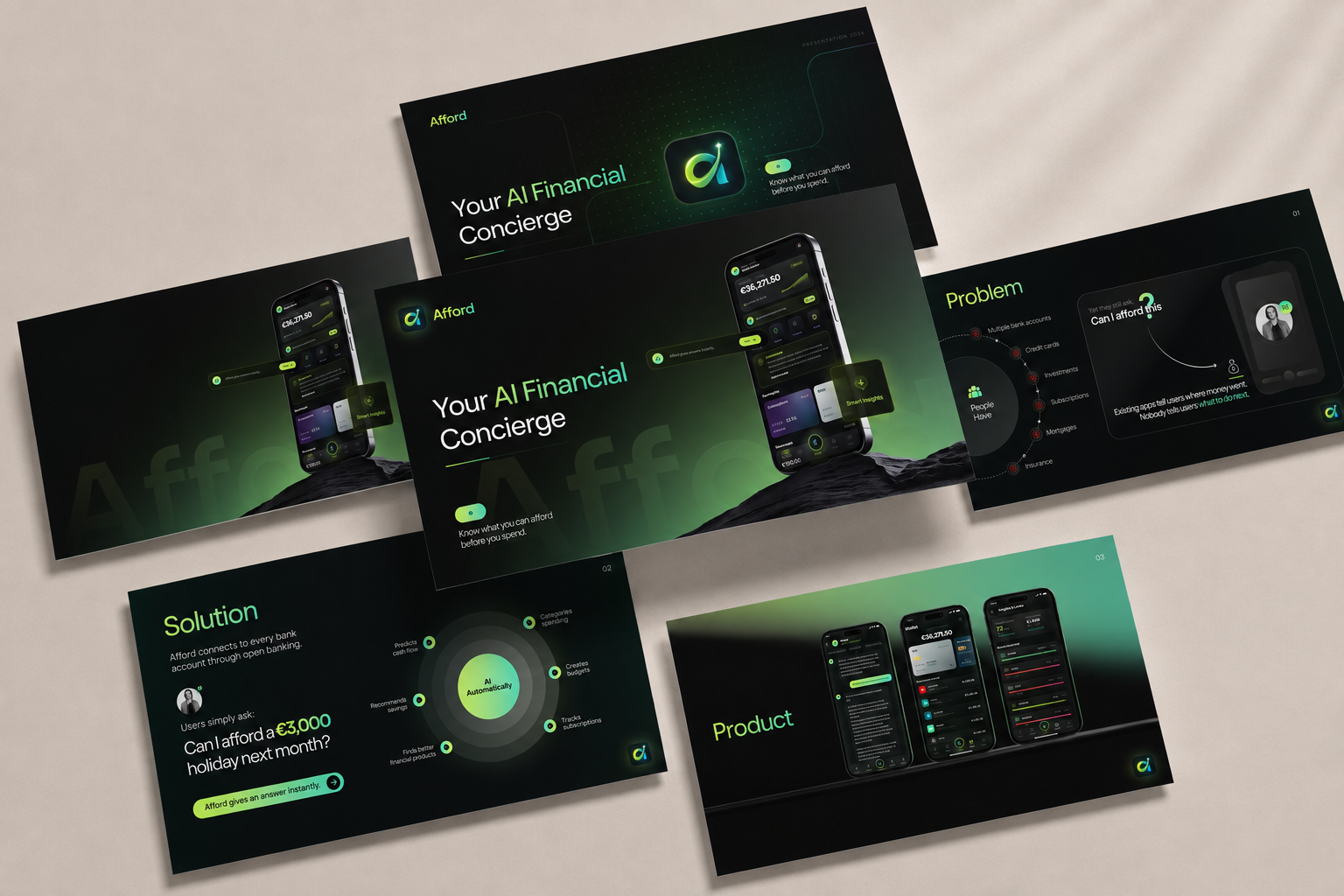
Wealthtech / Robo-advisor
Crypto / DeFi
FinTech Pitch Deck Expert Pricing Flat Fees for Every Sub Vertical
No Hourly Rates. No Compliance Surcharges. No Agency Markup.
As a FinTech fundraising pitch deck expert, I price every engagement by regulatory depth, deck complexity, and sub-vertical never by the hour.
FinTech Pitch Deck Design:
$600
FinTech Pitch Deck Design + Copywriting:
$1,200
Meet Your FinTech Pitch Deck Expert + What FinTech Founders Say
.avif)
Hi, I’m Bilal The FinTech Pitch Deck Expert Who Makes Compliance Fundable
I’m a FinTech pitch deck specialist working across neobanking, payments, lending, insurtech, wealthtech, and crypto. I design decks grounded in interchange economics, net interest margin modelling, licensing pathways, AML/KYC frameworks, and regulatory storytelling that investors actually trust. Most FinTech founders struggle because their deck explains the product but not the regulatory survivability. I fix that gap by turning compliance into investor confidence. If your FinTech is ready for capital, your deck should prove you are ready for the regulators, too.

What FinTech Founders Say After Raising With My Decks
I found it challenging to explain our BaaS revenue model to VCs. Bilal made our interchange and deposit economics intuitive and built a compliance slide that clearly mapped our licensing pathway. Our first investor meeting led to a lead commitment within days.
Our cross-border payments product was strong, but the deck confused investors with too much complexity. Bilal simplified it into three clear slides, visualized our take rate economics, and reframed our regulatory approvals as competitive moats. Four of seven VC meetings advanced to term sheets.
Our embedded insurance product felt too abstract for generalist investors. Bilal clarified our distribution model, visualized loss ratios and claims processing efficiency, and positioned our MGA license as a real barrier to entry. Growth-stage investors Investors who had previously passed re-engaged.
.avif)



FinTech Pitch Deck Expert Frequently Asked Questions
Your FinTech Pitch Deck Questions, Answered.
The prices of FinTech pitch deck engagements will vary from $X, XXX to $X, XXX, depending on various factors such as the scope, regulatory depth, sub-vertical complexity, and whether the copywriting is included. Flat-fee pricing means founders know the full investment before committing.
One of the most important of the challenges for FinTech decks is growth and regulatory viability. Investors look at the licensing stage, AML/KYC requirements, capital needs, and financial aspects such as interchange or net interest margin.
SaaS and consumer decks never address regulatory licensing, AML/KYC readiness, or complex financial revenue mechanics like interchange and NIM FinTech investors evaluate all of these as primary factors alongside growth.
Yes. The factors that make a pre-seed deck compelling are: a clear regulatory pathway, a strong founding team in financial services and early product-market fit in a specific sub-vertical. I tailor the messages for early investor risk appetite and licensing opportunities.
The compliance slide is designed to be a trust story, and not a checklist. The licensing status, regulatory roadmap, legal partnerships and data security posture are communicated in a way that reduces the perceived risk and boosts investor confidence. I show current licensing status, regulatory roadmap, legal partnerships, and data security posture in a format that builds investor confidence rather than raising red flags.
Yes. I audit your current deck to make sure it's compliant with the principles of storytelling, revenue modelling, weak sub-vertical positioning, and any red flags for investors. I am a FinTech pitch deck consultant, and I assist in rewriting the story in the 'investor's and the 'regulator's' voice.
There are different metrics for each sub-vertical. Payments are on a transaction volume and take rate basis. Neobanks highlight deposits and net interest margin. Lending tracks origination volume, defaults, and loss reserves. Insurtech uses loss ratio and combined ratio. Wealthtech is based on AUM and advisory fees.
I handle both. My copywriting has the power to turn complex FinTech systems, such as payment rails, lending infrastructure, and insurance distribution. Not generic marketing copy. Every word is regulatory-aware and revenue-model-specific — built around how FinTech investors actually evaluate financial businesses.
Payments, neobanking, lending, insurtech, wealthtech, crypto/DeFi, embedded finance, open banking, regtech, and cross-border infrastructure are all covered. They each need to be framed differently in terms of regulation and investor positioning. A FinTech pitch deck specialist adjusts the story as needed.
The final decks are available in PowerPoint, Google Slides, Keynote, and PDF. Each version is fully editable and optimized for investor meetings, bankers, accelerator applications, and regulatory presentations.
No account manager has ever read a banking regulation. No junior designer learning what interchange means on your timeline. One expert, full accountability, from compliance narrative to final design.
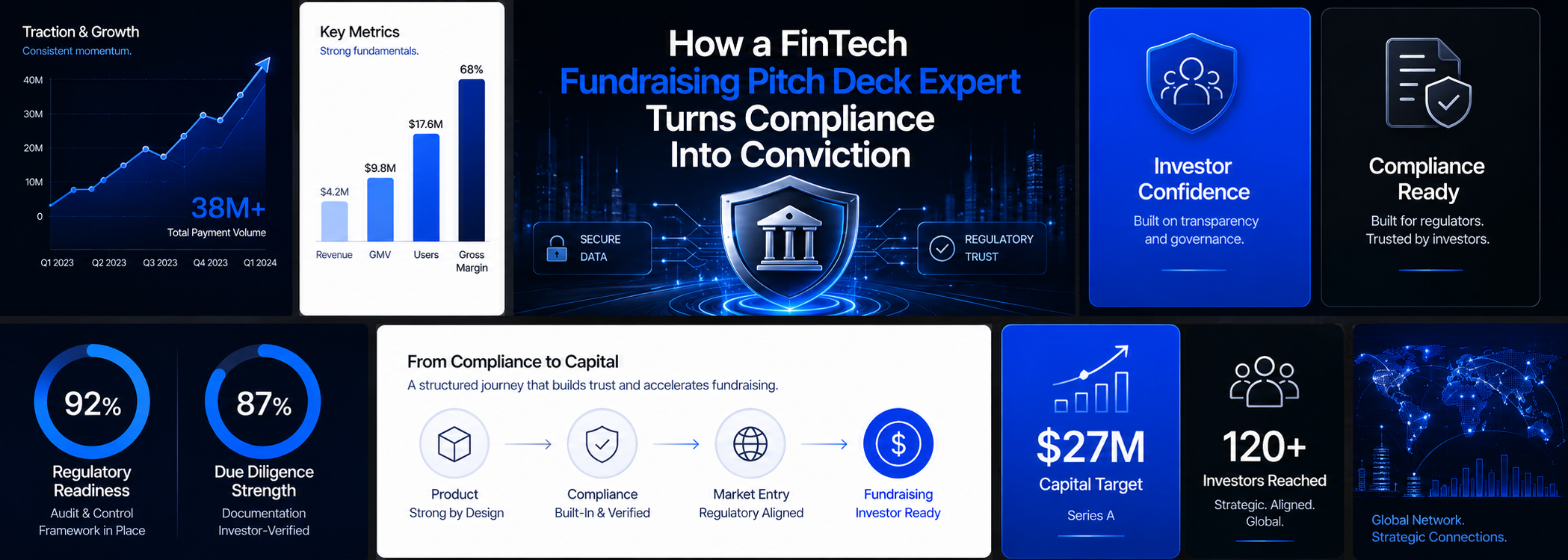
How a FinTech Fundraising Pitch Deck Expert Turns Compliance Into Conviction
The biggest mistake in FinTech fundraising is treating compliance as a risk section. I treat it as a trust section. I see regulatory readiness as a competitive moat that adds to investor confidence, not detracts. A FinTech fundraising pitch deck expert knows that having licenses such as FCA authorization, OCC banking pathways, or state lending approvals is not a disadvantage; it is a barrier that can be defended in order to ensure long-term margins. I construct compliance stories that turn compliance into investor confidence.
I build compliance narratives that FinTech investors recognise as a strategic investment signal, not a regulatory burden. The licensing pathways of payments, lending or neobanking directly shape the movement of capital. I reinforce this by framing compliance as a strategic investment that's linked to the sustainability of revenue and the defensibility of the market. Your deck will let investors know it is ready for institutional capital the first time they see it, when it's framed in that way.
The Compliance Slide That Most FinTech Decks Get Catastrophically Wrong
Most FinTech slides lack a compliance slide entirely or have one with legal jargon that may raise red flags and not build trust. I built a visual regulatory roadmap covering current licensing status, next authorization milestones, legal partnerships, and timeline to full authorization the four elements that convert compliance from a question mark into a structured investor confidence signal. The attitude of regulators is judged within the first few slides of a presentation, if they don't look at the revenue forecasts first when investing in a FinTech venture. A good compliance narrative is a clear indication of institutional preparedness and lessens the perceived execution risk. When one is weak or missing, it is taken as an avoidance response and generally ends the conversation.

Why FinTech Revenue Models Need a Specialist, Not a Generic Designer
The business models of the different sub-verticals of FinTech vary significantly. Payment revenue comes from take and interchange, float net income is the revenue of a neobank, and net interest margin is the revenue of a lending platform, minus the credit losses. These mechanics turn into these visuals, which are an accurate representation of the business's movement of capital.
The more the investor knows about the unit economics, the more the discussion moves towards scale strategy. This transparency will help to lower diligence cycles, as well as improve funding velocities, as the financial rationale is apparent.

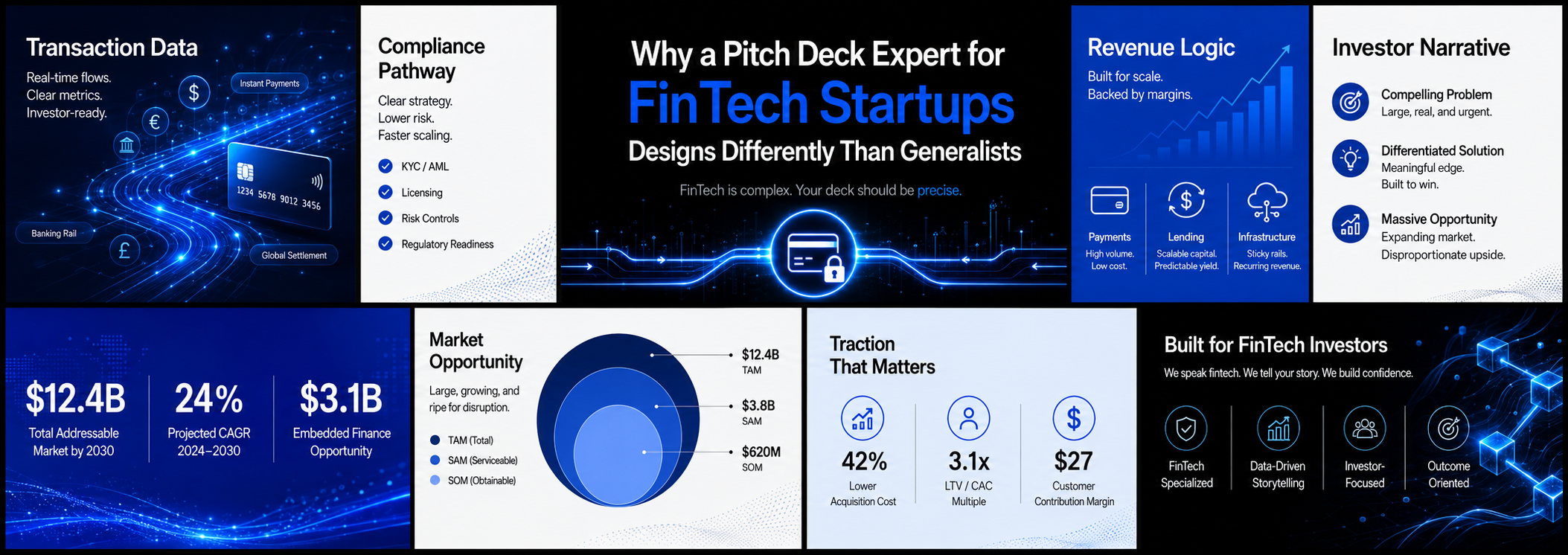
Why a Pitch Deck Expert for FinTech Startups Designs Differently Than Generalists
FinTech isn't just payments; it encompasses the digital lending, insurtech, crypto, and embedded finance sectors too — with each having unique revenue models and regulatory needs. Investor queries differ greatly across the different verticals, and the exposure to licensing, which is why a pitch deck expert for a FinTech start-up cannot use the generic startup deck.
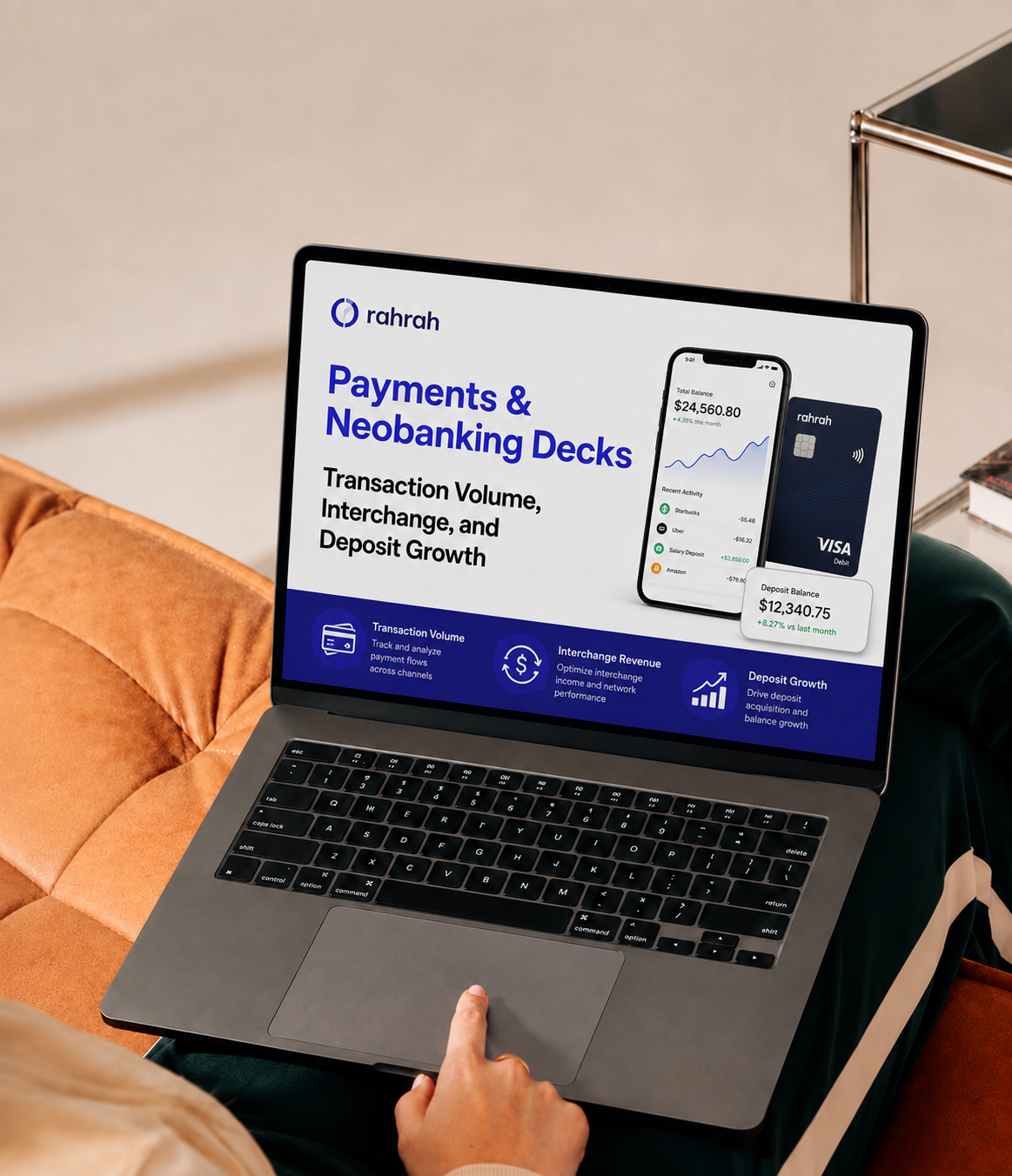
Payments & Neobanking Decks Transaction Volume, Interchange, and Deposit Growth
Payment decks are created around gross payment volume, transaction velocity, and take rate economics that present the value flow through the system. Neobanking decks emphasize the growth of deposits, ARPU, and the interchange revenue per active user, to show financial behaviour on a scalable amount. Here are the decks I built off of core KPIs, which investors look at for scalability and monetization power.
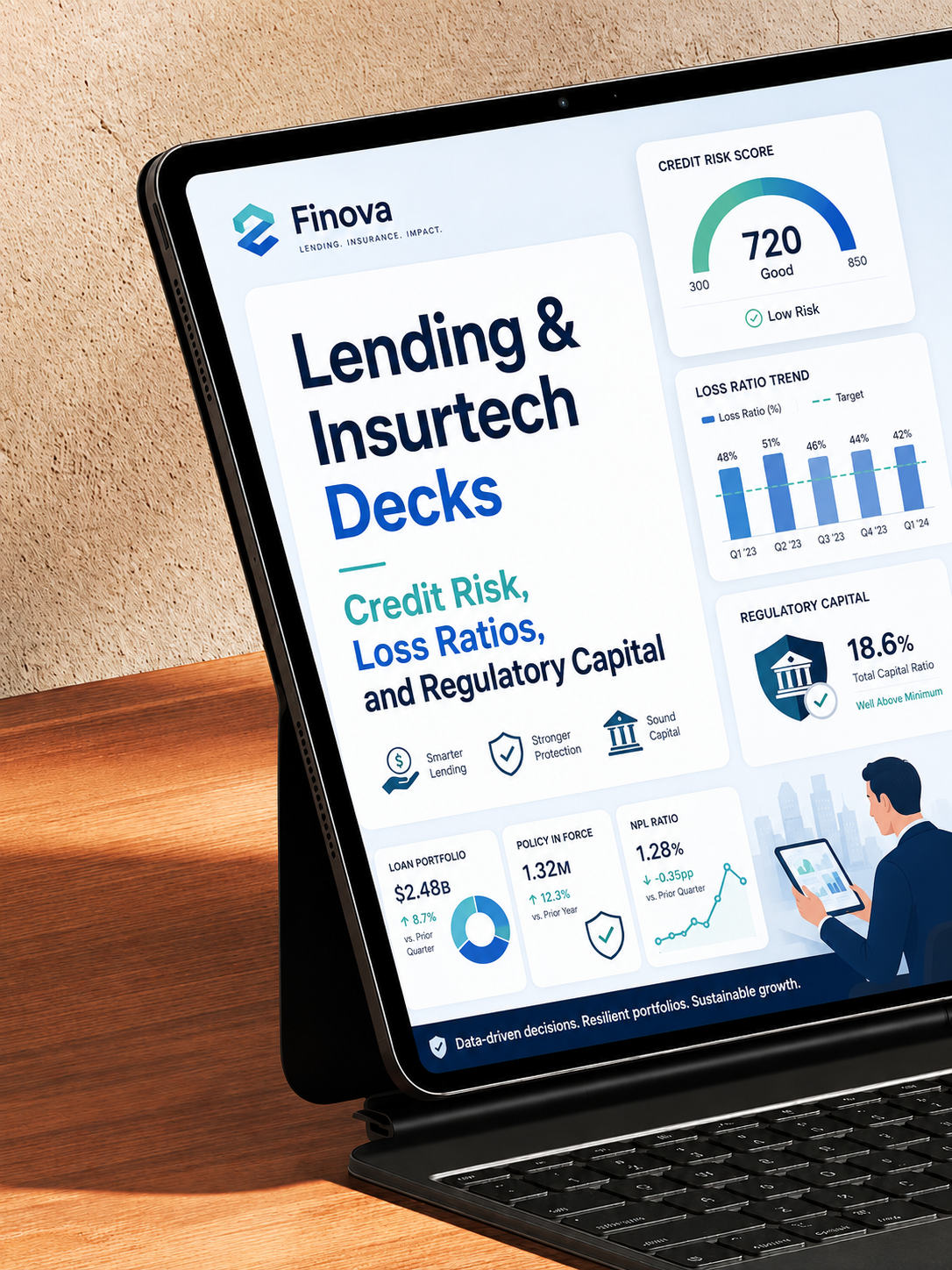
Lending & Insurtech Decks Credit Risk, Loss Ratios, and Regulatory Capital
Under regulated lending, lending decks need to be robustly designed to reflect the exposure to credit risk, likelihood of default, recovery expectations, and capital needs. Articulating loss ratios, combined ratios and distribution efficiency through the underwriting channel is a critical part of insurtech decks. I create these financial frameworks with realistic operating logic, not with “assumptions”.
Crypto, DeFi & Embedded Finance Decks Regulatory Positioning in Uncertain Markets
Finance Decks Regulatory Positioning in Uncertain Markets” is in your spotlight. These sub-verticals are enveloped by dynamic regulatory regimes, and compliance position is the foundation of investor trust. I design decks to promote licensing in jurisdictions where I've obtained it or am currently aiming to obtain it, and articulate regulatory transparency as a competitive advantage. This means that compliance uncertainty will not be a red flag, but instead a factor of difference.

Investors get risk and upside immediately if each of the sub-verticals is done right. It's this clarity that sets funded FinTech decks apart from just presentations.
There is no one-size-fits-all solution to a good FinTech story; it's developed for regulation, economics, and investor trust. I build FinTech pitch decks that are tailored to each sub-vertical, aligning regulatory requirements, revenue models, and investor expectations to create funding-ready narratives.
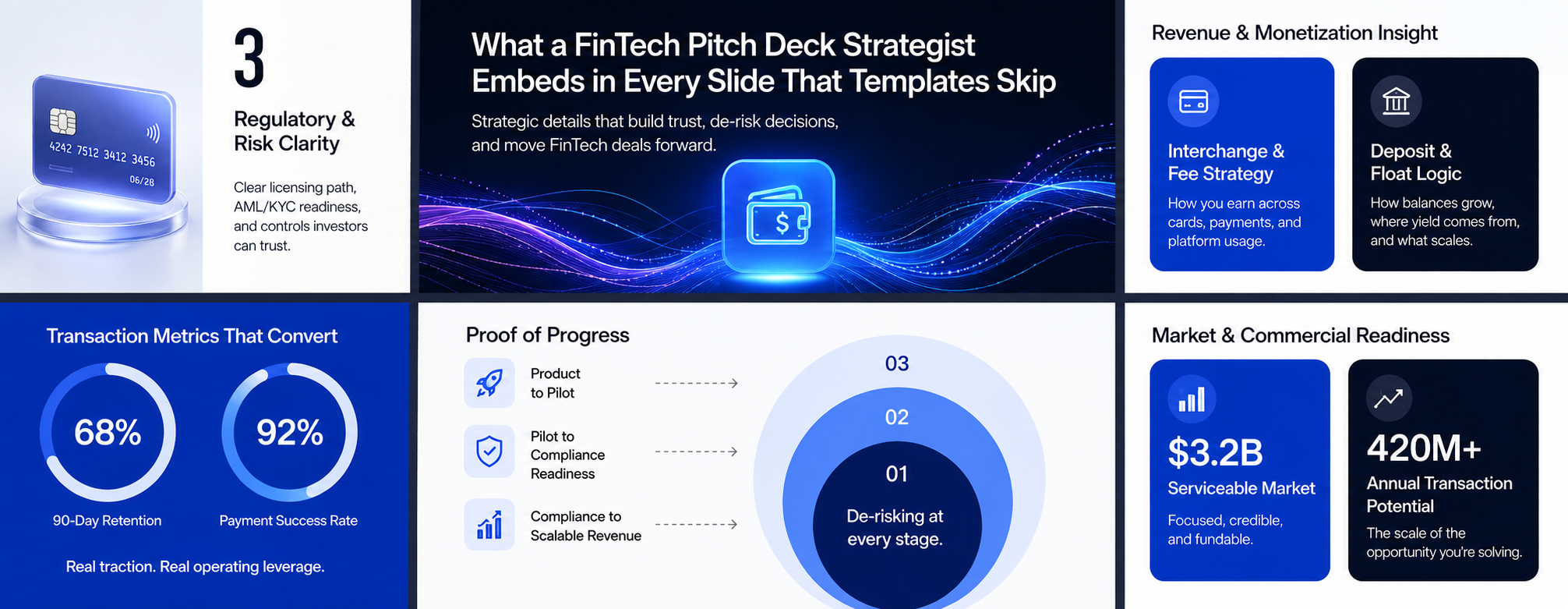
What a FinTech Pitch Deck Strategist Embeds in Every Slide That Templates Skip
FinTech pitch deck templates are dangerous. They exclude the compliance slide, add SaaS-style revenue charts to a lending business, and add a generic competitive landscape without considering regulatory moats. A FinTech pitch deck strategist crafts a pitch deck based on your investors' specific questions and not a one-size-fits-all approach.
The problem with the FinTech pitch deck templates is that they assume a standard pitch story structure, which isn't the case for all start-ups. Ignore compliance architecture, do not apply SaaS-style metrics to financial products, and rely on generic competitive slides that don't speak to regulatory barriers. A FinTech pitch deck strategist creates each slide to answer investor due diligence questions unique to regulated financial businesses, rather than universal startup pitch decks.
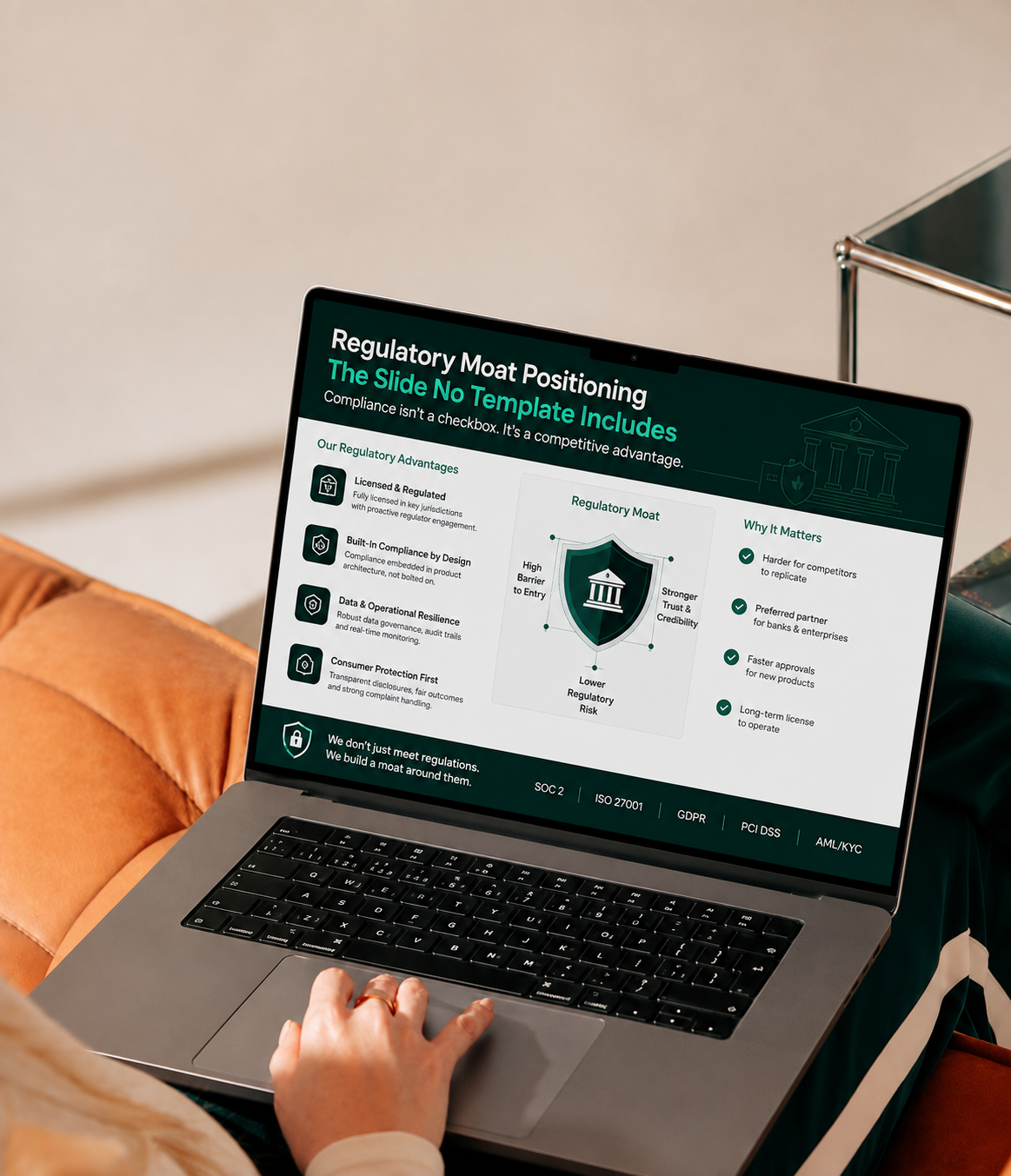
Regulatory Moat Positioning The Slide No Template Includes
Banking licenses can take 18 months to 36 months to obtain, and payments and lending licenses require capital reserves, auditing, and supervision. The structural barriers to entry are regulatory requirements that protect market position, provided they are presented at the right place, in the pitch deck. I built a dedicated regulatory moat slide that shows investors exactly how your compliance status licensing timeline, capital reserves, regulatory partnerships protects their investment from competitors who cannot replicate it.
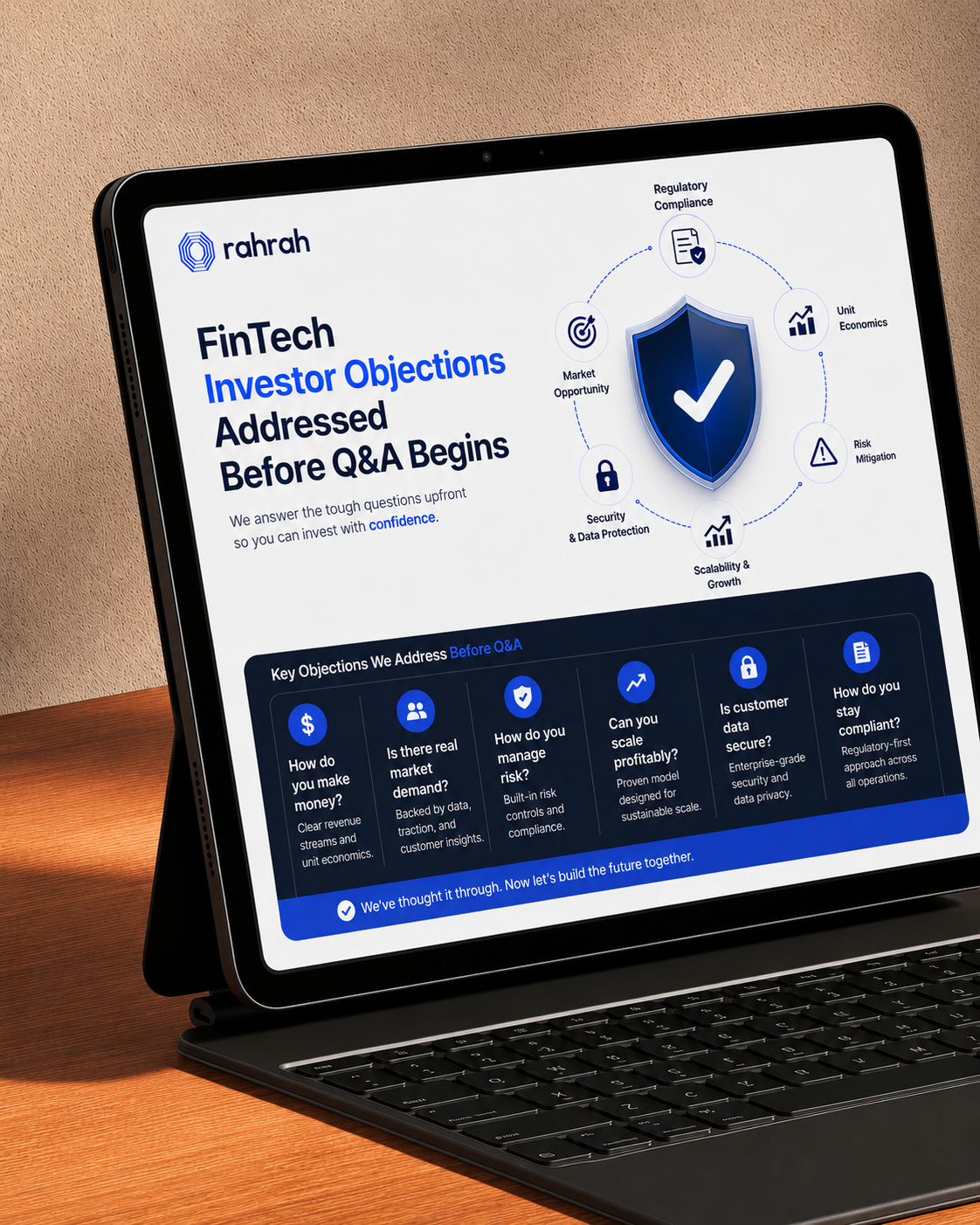
FinTech Investor Objections Addressed Before Q&A Begins
Regulatory exposure, licensing continuity, margin sustainability at scale, and credit or counterparty risk are consistently assessed by the investors in FinTech. They also look at whether banking partners or payment processors might be able to affect operations. I put the answers to the following questions right into the deck's narrative.
During the Q&A phase, the objections are dealt with in the slides, making the questions more of a validation than an interrogation. This not only helps shorten diligence cycles, but also helps to improve the chances of progressing from first meeting to term sheet discussions.
A robust FinTech deck doesn't wait for questions; it pre-solves them with structure, compliance framing, and financial clarity. View the portfolio of work here.
Your next investor meeting is closer than you think.
Let's build a pitch deck that makes investors lean forward not check their phones. Book your free consultation below. I'll personally review your situation and tell you exactly what your deck needs to raise the round.